
Why resilient weather observation infrastructure matters
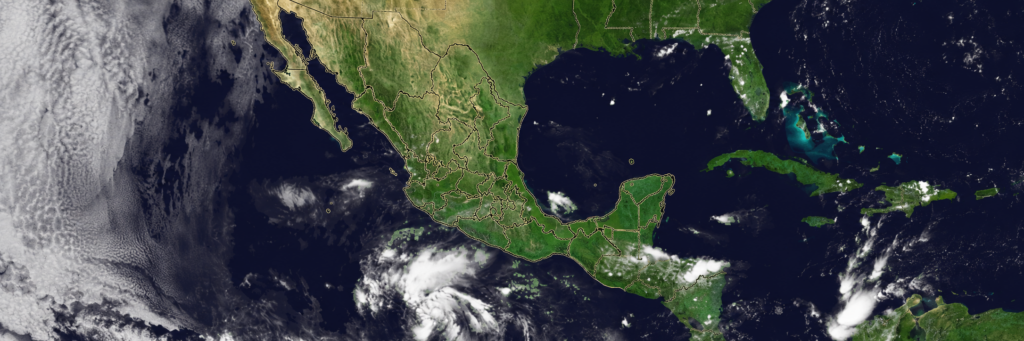
Weather information supports decisions that affect public safety, infrastructure, transportation, agriculture, energy, and environmental management. The quality of those decisions depends on more than a forecast. It begins with reliable observations collected by systems that can operate consistently under demanding conditions.
Observation is the foundation
Weather radars, automatic weather stations, wind profilers, marine buoys, and other monitoring technologies provide different views of the atmosphere and surrounding environment. Together, they help organizations detect changing conditions, evaluate risk, and build a more complete understanding of developing weather events.
No single instrument provides every answer. Effective observation networks combine complementary technologies and organize their data into a coherent operational picture.
From measurements to decisions
Collecting data is only the first stage. Information must also reach the people and systems responsible for interpreting it. Visualization platforms, forecasting tools, communications infrastructure, and established operating procedures transform individual measurements into information that teams can use.
A resilient weather observation system should address four essential requirements:
- Continuity: Equipment and communications must remain available when conditions become difficult.
- Data quality: Measurements require appropriate calibration, validation, and monitoring.
- Integration: Instruments and software must exchange information through compatible formats and workflows.
- Technical support: Maintenance, training, spare parts, and specialist assistance must form part of the system’s long-term operation.
Planning beyond installation
The performance of an observation network depends on decisions made throughout its lifecycle. Site selection, environmental exposure, power availability, telecommunications, maintenance access, and operator training can all influence reliability.
For this reason, organizations should evaluate weather technology as operational infrastructure rather than as a collection of isolated devices. A successful implementation connects equipment, software, people, and support processes around a clearly defined mission.
Building long-term capability
Resilient weather intelligence requires sustained technical capacity. Organizations benefit when they can maintain their systems, interpret their data, adapt workflows, and incorporate new technologies without losing operational continuity.
By planning for the complete lifecycle of an observation network, institutions can protect their investment and strengthen their ability to respond to changing atmospheric conditions.